



You notice the problem when the afternoon sun hits the glass just right. What looked acceptable at breakfast suddenly shows every streak, dust line, and hard-water spot. On a storefront, that dulls first impressions. On a home, it changes the whole feel of the room. On a mid-rise or high-rise, it also raises a practical question: what will it cost to get the job done safely and correctly?
That's where pricing gets confusing. Some companies talk per pane. Others quote by the hour. Complex jobs involve ladders, water-fed poles, boom lifts, scaffolding, or rope descent systems, so the cheapest number on paper often leaves out the hardest part of the work. If you arrived here searching for acid wash pool cost, you're already in a comparison mindset about maintenance pricing. The same principle applies to windows. Base service is only part of the bill. Access, labor, safety, and finish quality decide the actual value.
Why Dirty Windows Are More Than Just an Eyesore
A homeowner in Scottsdale or Paradise Valley usually starts with appearance. The glass looks cloudy. The view feels flat. You clean one lower pane by hand, step back, and realize the second-story windows, skylights, and sun-facing glass are a different problem entirely.
A property manager in Phoenix, Denver, or Las Vegas sees it from another angle. Dirty windows make a building look neglected, and mineral buildup doesn't stay cosmetic forever. Once hard-water staining sets up on exterior glass, removal gets more specialized, slower, and more expensive than routine maintenance. That's why waiting often costs more than acting earlier.
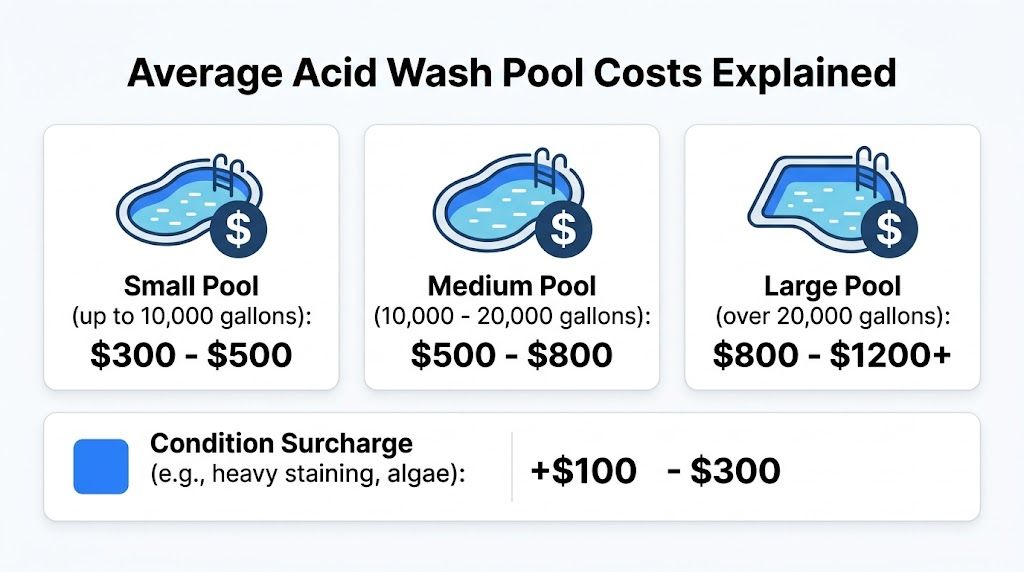
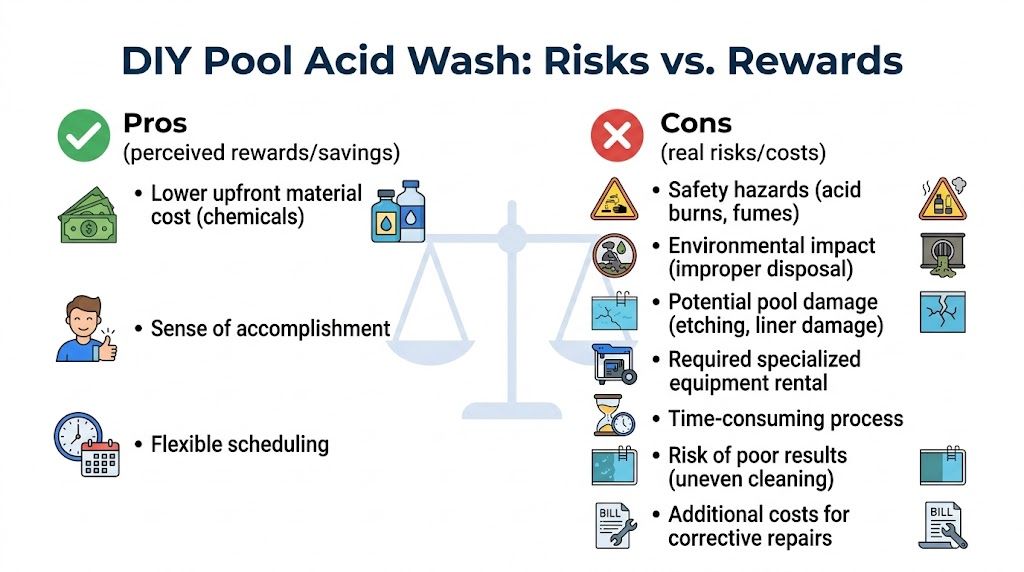
If you're comparing service pricing in different trades, a detailed guide on the cost of acid washing a pool is useful for the same reason window cleaning guides are useful. It shows how a “simple cleaning job” rarely stays simple once labor, access, and restoration work enter the picture.
The problem usually starts small
Most clients don't call because every window is a disaster. They call because a few things stack up at once:
- Street-facing glass looks tired: The front of the house or building stops looking crisp.
- Natural light drops: Interior spaces feel dimmer, especially on homes with large picture windows.
- Upper glass gets ignored: Anything above safe ladder reach gets postponed again and again.
- Hard-water marks become obvious: In Arizona and Nevada, mineral spotting can turn into a restoration issue, not just a wash issue.
Dirty glass changes how a property feels long before it becomes a maintenance line item.
That's the practical value of professional service. It isn't just cleaner glass. It's safer access, better light, preserved appearance, and less chance that routine dirt becomes a bigger correction later. There's also a real quality-of-life angle that many owners underestimate, especially in homes with mountain, golf course, or city views. The difference is easiest to notice after the work is done, which is why resources on the benefits of clean windows resonate with people who've let the job slide for too long.
Why pricing feels inconsistent
Window cleaning quotes vary because the work varies. A ranch home in Chandler with straightforward access is one type of project. A Boulder hillside property with awkward ladder setups is another. A commercial building in downtown Denver with public-facing glass, schedule restrictions, and lift access is something else entirely.
Clients often think they're buying “window cleaning” as one commodity. They're not. They're buying labor, safety planning, equipment, access method, and result quality, all wrapped into one service line.
Understanding Average Window Cleaning Prices
The cleanest way to understand window cleaning pricing is to separate how companies bill from what drives the final quote. The billing model tells you how the number is organized. It doesn't tell you whether the job is simple or difficult.
For baseline pricing, the 2026 national average is $4 to $8 per standard window pane for residential services, and $65 to $95 per hour for commercial projects requiring skilled technicians, according to IWCA publications. Those figures are useful as a starting point, not a universal quote.
The three pricing models clients see most
Per-pane pricing is the easiest for residential work. It fits homes with standard layouts and gives clients a quick way to estimate scope. If the glass is accessible and the panes are conventional, this model keeps quoting simple.
Hourly pricing shows up more often in commercial work, specialty access work, and jobs with moving parts. If a crew needs to coordinate around foot traffic, interior access, atriums, or changing site conditions, time-based pricing is more practical than pretending every pane takes the same effort.
Flat-rate project pricing is common when the company has already measured the scope and folded the labor, travel, setup, and equipment plan into one number. Many clients prefer this because it's easier to budget.
What those numbers don't tell you
A “standard pane” is doing a lot of work in that sentence. French panes, skylights, transoms, storm panels, post-construction cleanup, and heavily mineral-stained glass all change the labor. So do narrow side yards, steep grades, and buildings that require special access.
That's why the best estimates don't stop at pane count. They ask how the glass will be reached and what condition it's in.
Practical rule: A low quote on difficult glass often means one of two things. The scope was misunderstood, or the service level was reduced.
For clients who want a clearer sense of finish quality, not just pricing language, this guide on how to get a perfect window shine is a useful companion. It helps explain why professional tools and technique matter more than a bare price list.
A better way to read a quote
When you review a bid, ask yourself:
- Is the company pricing simple cleaning or restoration work?
- Does the number include difficult access?
- Are screens, tracks, or specialty panes part of the scope?
- Is the finish method traditional squeegee work, pure water, or a combination?
Those four questions usually tell you whether you're comparing apples to apples or just comparing incomplete numbers.
Key Factors That Determine Your Final Cost
Two jobs can have the same pane count and land at very different prices. That happens because labor is shaped by access, soil level, glass type, and the equipment needed to do the work safely.
On the ground, this is simple. A first-floor storefront with open sidewalk access is fast to service. A third-story atrium window over landscaping, signage, and pedestrian traffic is not. The work shifts from routine cleaning to access planning.
Access changes everything
Ground and ladder-accessible glass is the baseline. Setup is quicker, crew movement is simpler, and the work can usually proceed without major site coordination.
Boom lifts, scaffolding, and rope descent systems add a different layer of cost because they add a different layer of risk and planning. Jobs requiring rope descent systems or boom lifts increase labor costs by 40 to 70 percent compared to ground-level or ladder-accessible work, according to OSHA publications. That increase reflects training, insurance, equipment, and the time it takes to operate those systems correctly.
For example, a property in Denver or Boulder may have steep terrain, limited machine access, or architectural glass above lower roofs. In Phoenix and Tempe, the issue may be height, traffic flow, or delicate hardscape below the working area. In Las Vegas, large commercial facades often need early-morning scheduling and coordinated lift paths.
Condition matters as much as size
A large amount of straightforward dust is one thing. Mineral staining, paint overspray, adhesive residue, oxidation runoff, and post-construction debris are another. The glass may need scraping, restoration chemicals, or multiple passes. That changes labor time more than most clients expect.
The same goes for frames, tracks, and screens. On residential work, many homeowners care as much about the total finish as they do about the pane itself. Clean glass next to dirty screens and debris-packed tracks doesn't read as complete work.
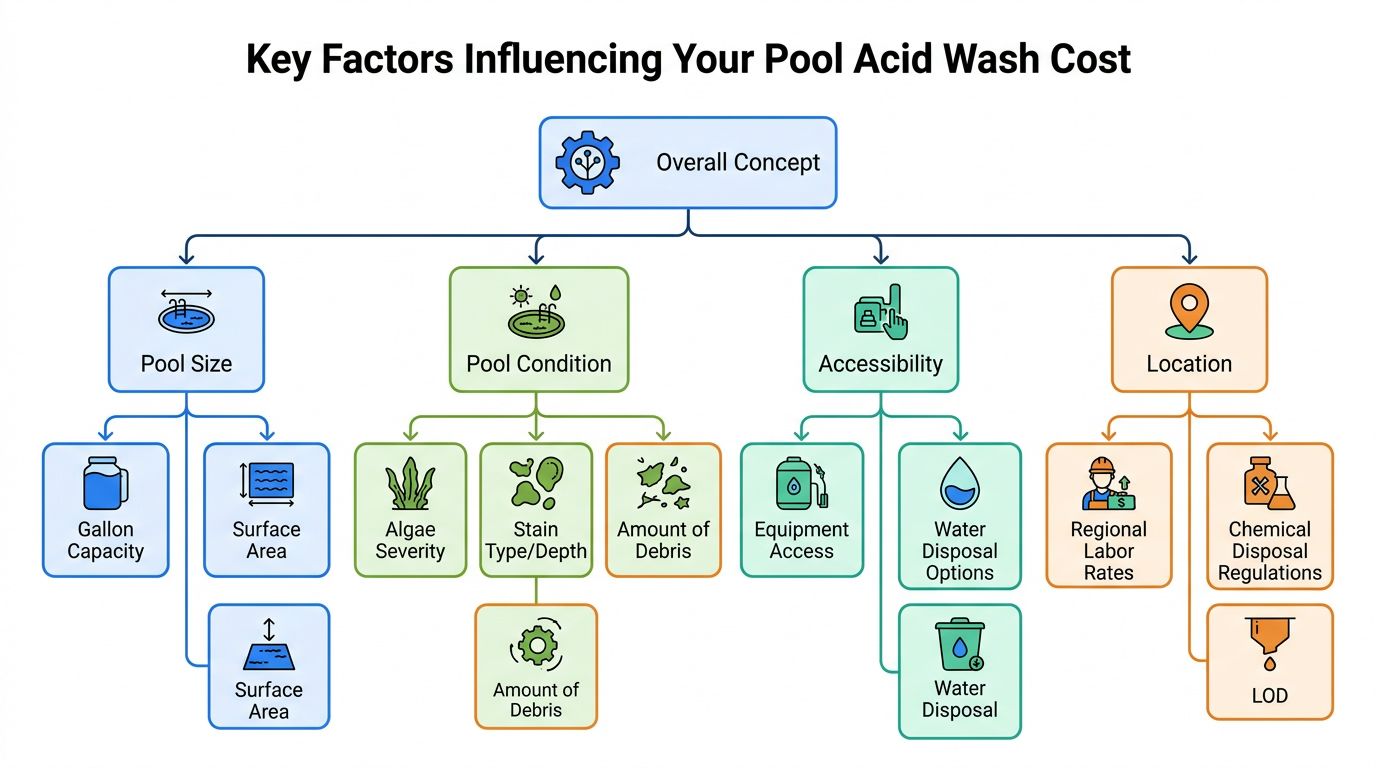
If you're already thinking about exterior presentation as a whole, projects like transform your Austin poolside area show the same principle in a different trade. Surface condition and access drive labor more than the headline service name suggests.
The equipment is part of the value
Professional crews don't just show up with a bucket and blade. They match tools to conditions:
- Water-fed poles with purified water for exterior glass where spot-free rinsing and safe reach matter.
- Professional squeegees and channels for detail control on interior glass and close-up finish work.
- Extension ladders and sectional ladders where access is tight but still safe and appropriate.
- Boom lifts or scaffolding when height and clearance make standard access unrealistic.
Many clients also pair services for efficiency, especially before repainting or exterior upgrades. If your project includes siding prep or a larger exterior refresh, pressure washing before painting a house is part of the same conversation about sequencing work the smart way.
The final quote usually reflects the hardest windows on the property, not the easiest ones.
Residential vs Commercial Window Cleaning Costs
Residential and commercial pricing often get compared as if they're the same service sold to different customers. In practice, they operate differently. A house emphasizes detail and access around personal property. A commercial job emphasizes consistency, logistics, and frequency.
A two-story home in Scottsdale might have picture windows, divided-light panes, removable screens, and a few awkward second-story windows above tile roofing. A commercial office in Denver may have large exterior elevations, repetitive glass, restricted work hours, and public safety requirements. The methods overlap, but the cost structure doesn't.
What drives residential pricing
Homeowners usually pay for a more varied scope. One house can combine standard panes, sliders, French panes, clerestory windows, skylights, and delicate interior access around furniture and finishes. Screens and tracks also matter more in residential work because clients see the full assembly up close.
The quote often rises when the property has:
- steep rooflines,
- narrow side-yard access,
- hard-water staining,
- or specialty glass that takes slower hand detailing.
What drives commercial pricing
Commercial work benefits from repetition, but it adds operational constraints. Crews may need to work around tenants, customers, deliveries, security protocols, or traffic patterns. On larger buildings, route planning and service frequency matter as much as the one-time cleaning itself.
Property management surveys in metropolitan areas like Denver and Phoenix indicate that Class A commercial buildings schedule exterior window cleaning 2 to 4 times per year to maintain appearance and protect glass from mineral etching, according to BOMA research and resources. That frequency changes the conversation from “what does this one visit cost?” to “what maintenance cycle keeps the building presentable without letting buildup get expensive?”
Cost factors side by side
| Factor | Residential Projects (e.g., Home in Scottsdale) | Commercial Projects (e.g., Office in Denver) |
|---|---|---|
| Access method | Ladders, water-fed poles, occasional specialty access | Water-fed poles, lifts, scaffolding, rope access on some buildings |
| Scope detail | Glass, screens, tracks, sills, skylights | Exterior glass cycles, common areas, storefronts, tenant-facing zones |
| Scheduling | Usually flexible around homeowner availability | Often restricted by building operations and public traffic |
| Pricing style | Often per pane or flat-rate project | Often hourly or contract-based project pricing |
| Main difficulty | Mixed window types and close-detail finish work | Scale, coordination, safety planning, and recurring service logistics |
Real-world difference in expectations
A homeowner in Chandler or Paradise Valley usually wants the glass to look perfect up close. A facility manager in Phoenix or Denver often wants a repeatable service plan that keeps the property sharp year-round and avoids long gaps between cleanings.
That difference matters when comparing quotes. Residential clients should look closely at detail items included in the scope. Commercial clients should look closely at access planning, frequency, and consistency over time.
The True Cost of a DIY Approach
When people say they might do it themselves, they usually don't mean they'll duplicate a professional service standard. They mean they hope to reduce the bill. The problem is that professional-level window cleaning requires professional-level equipment, and that equipment isn't cheap.
A basic professional-grade water-fed pole system with a purification unit costs between $1,500 and $4,000, not including the cost of ladders, squeegees, and safety harnesses, according to WindowCleaner.com equipment cost information. That alone pushes serious DIY into a category most homeowners should avoid.
The hidden cost isn't just the gear
Buying a pole system doesn't make someone proficient with it. Pure water has to be managed correctly. Brushes have to match the surface. Technique matters. So does knowing when purified-water cleaning is appropriate and when a traditional squeegee finish is the better choice.
Then there's ladder work. High windows tempt people into bad decisions fast. Reaching too far, setting ladders on uneven surfaces, leaning over landscaping, or trying to clean above entry roofs without the right setup turns a maintenance task into a risk event.
What DIY usually underestimates
- Access limitations: The hardest windows are a common reason for professional service.
- Finish quality: Streak-free glass comes from method, not just effort.
- Time cost: A homeowner can lose a full day and still end up with uneven results.
- Surface risk: Scratched glass, damaged screens, bent frames, and water intrusion all come from poor technique.
If you need professional tools to reach the window safely, you're already beyond the sensible DIY line.
That's especially true in Arizona, Colorado, and Nevada, where sun exposure, mineral deposits, windblown dust, and multi-story architecture create conditions that reward experience. On easy glass, DIY may feel workable. On anything high up, stained, or architecturally awkward, it often becomes the most expensive “cheap” option.
Getting an Accurate Quote and Maximizing Value
The best quote starts with good information. If you can describe the property clearly, mention trouble spots, and identify access issues up front, the estimate gets tighter and the service day goes more smoothly.
For homeowners, that means noting second-story glass, skylights, screens, hard-water spots, and any landscaping or roof features that affect ladder placement. For commercial properties, it means identifying service hours, public access concerns, parking or lift staging, and whether you need one-time service or recurring maintenance.
What to have ready before you call
Your property type
Single-story home, two-story home, storefront, office, HOA, mid-rise, or high-rise.The access picture
Are the windows ground-accessible, ladder-accessible, or likely to need lift or rope access?The condition of the glass
Standard dust and grime is different from hard-water staining or post-construction debris.Your preferred scope
Exterior only, inside and out, or full detail including screens and tracks.
A good quote should also tell you what isn't included. That's not a red flag. It's transparency. Ambiguous scope is where price disputes start.
Cheap bids can get expensive
Insurance and professionalism matter. According to insurance industry data, property damage claims from uninsured or underinsured contractors, including window cleaners, average over $5,000 per incident, as noted by the Insurance Information Institute. A low bid from an uninsured operator can become a very expensive decision if something goes wrong around landscaping, glass, stucco, roofing, or interior finishes.
That's why value is bigger than the initial number. You're paying for trained technicians, proper access methods, reliable scheduling, and a result that doesn't create new problems. If you're vetting providers, a professional window cleaning company should make scope, safety, and expectations clear before the work begins.
Ask how the company plans to access the hardest glass on the property. That answer usually tells you more than the quote total.
A strong estimate is specific. It reflects the actual work, not just the easiest part of the job.
If you want a clear, no-pressure estimate for your home, storefront, or commercial property, contact Professional Window Cleaning. Their crews handle residential, commercial, mid-rise, and high-rise work across Arizona, Colorado, and Nevada using professional squeegees, ladders, water-fed poles, boom lifts, scaffolding, and rope descent systems. You can request service for local markets including Phoenix, Scottsdale, Tempe, Chandler, Paradise Valley, Glendale, Flagstaff, Denver, Boulder, Arvada, Westminster, Erie, Commerce City, Golden, Las Vegas, and Laughlin.